I've Seen the Future and I'm Not Going: The Art Scene and Downtown New York in the 1980s (Audiobook), by Peter McGough

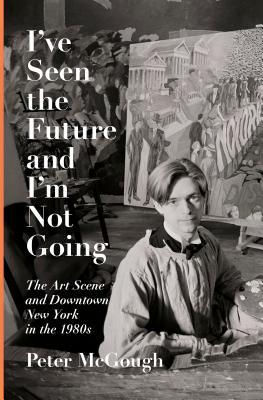
I’ve always been drawn to stories about the downtown New York art scene of the 1980s. Warhol, Basquiat, Haring, that whole combustible mix of talent, ego, and excess. So, when I came across this memoir, with its promise of an inside look at that world, I was all in.
That enthusiasm did not survive the audiobook.
Let’s start with the narration, which is, unfortunately, impossible to ignore. Having the author read his own work might sound appealing in theory, but here it’s a disaster. Nearly every person he encounters is rendered as some variation of a loud, shrill, whining caricature. The voices are exaggerated to the point of distraction. It’s not “colorful storytelling”. It’s “nails on a chalkboard.” It turns what might have been an engaging memoir into something you endure rather than enjoy.
The story itself centers on the partnership between David McDermott and Peter McGough, two artists who rose to prominence not just for their work, but for their eccentric decision to live as if they were in the 19th century. No electricity, period clothing, antique obsessions, the whole elaborate “time machine” lifestyle. It’s initially intriguing, then quickly exhausting, because, well, it’s idiotic.
What unfolds is a repetitive cycle: poverty, sudden success, reckless spending, collapse—rinse and repeat. At their peak, they’re selling photographs for impressive sums and mingling with the likes of Warhol and Schnabel. Shortly thereafter, they’re back in financial ruin, often through their own spectacularly poor decisions. It’s hard to feel much sympathy when the downfall seems so self-inflicted. I really was trying to be sympathetic, but despite being pretty woke, I also find myself less tolerant of blatant stupidity, and there was a lot of that in this book.
McDermott, in particular, is a difficult figure to spend time with. He's volatile, self-destructive, and frequently unpleasant. McGough comes across as more passive, often swept along for the ride, but not entirely blameless. Their relationship, both artistic and personal, is marked by instability, ego, and recurring implosions. The self-centeredness, the narcissism, the sense of entitlement… it just made me cringe.
To the book’s credit, it does provide a vivid, if uneven, snapshot of a vanished era. There are flashes of insight into the downtown scene, and occasional moments of real emotional weight, particularly as the AIDS crisis begins to cast its shadow. But those moments are often buried beneath flat prose, shallow character insights, and an overwhelming focus on lifestyle over art.
I was led to believe it was a book about the downtown art scene. It’s not. It’s a chronicle of two deeply irritating people making the same mistakes over and over again. If you’re looking for a meaningful exploration of creativity or culture, look elsewhere.


Comments